
Reaching an early-user milestone only matters if it reveals something useful. After the first 50,000 users, one pattern stands out clearly: people looking for a vpn free iphone solution are rarely searching for one thing alone; they usually want faster setup, safer browsing on wifi, fewer ads, and a simpler way to manage DNS on the same device.
That makes this category more practical than many app descriptions suggest. A mobile privacy app is not just a tunnel for traffic. For many users, it is a lightweight tool that helps manage how a phone connects across public wifi, home wifi, wireless internet, and different network conditions. VPN 111: Warp IP DNS Changer is an iPhone and Android app for people who want VPN access, a DNS changer, and a ad blocker in one place rather than scattered across separate tools.
A milestone is useful only if it changes how the app is understood
There is an easy way to write milestone posts badly: focus on big numbers, add vague claims, and call it progress. A better approach is to ask what repeated user behavior actually says about the product and the broader market.
Among early users, the strongest signal was not just demand for a free VPN. It was demand for clarity. People compared options in search terms that mixed brands, functions, and even misspellings: nord vpn, 1 1 1 1, private browser, wireguard, vpns, hotspot shield, pia vpn, express vpn, super vpn, vopn, and even von. That tells you something important: most users do not think in strict product categories. They are trying to solve a connection or privacy problem quickly, often from a search bar while already on an unstable or untrusted network.
In practical terms, users were not asking, “What is the purest definition of a virtual private network?” They were asking questions like:
- Will this help on public wifi?
- Can I browse with less tracking?
- Is DNS setup hard?
- Do I need a separate browser?
- Will it work across all countries I travel to?
What early user feedback usually reveals first
The first lesson from a 50,000-user milestone is that convenience often beats feature depth. That does not mean features do not matter. It means they matter only after the basics are easy.
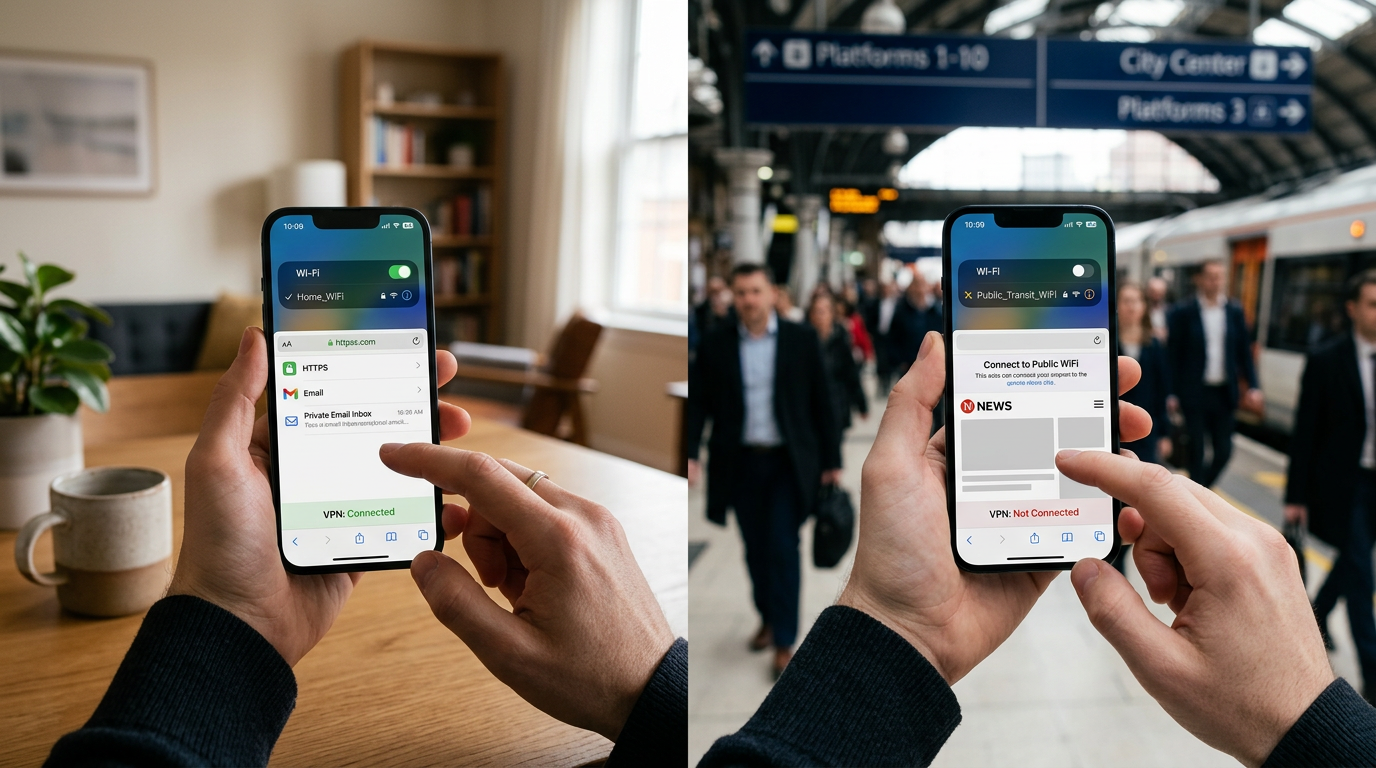
Users who search for vpn free iphone often start with one immediate need: hotel wifi, airport wifi, campus networks, workplace guest networks, or mobile browsing in places where the local connection feels inconsistent. Once they install an app, they quickly judge three things:
- How fast they can connect
- Whether the app is understandable without technical knowledge
- Whether it interferes with everyday browsing, streaming, or messaging
This is where a combined VPN, DNS, and ad-blocking approach becomes more relevant than a basic single-purpose tool. A simple browser feature alone may help with local privacy habits, but it does not replace a secure connection. A DNS-only setup such as 1 1 1 1 style services may improve lookup speed or filtering, but it is not identical to a full VPN. And a traditional VPN app without DNS controls may still leave users wanting more control over how requests are handled.
That gap is exactly why some users move past a standard comparison mindset. They are not always choosing between one famous service and another. They are choosing between fragmented tools and a more unified setup.
The users who benefited most from the app
Early patterns suggest the clearest fit was not “everyone with a phone.” It was narrower than that, which is a good sign.
The app appears most useful for:
- Students using shared campus or dorm wifi
- Travelers connecting from airports, hotels, and cafés
- Freelancers who switch between home wifi and public networks
- Everyday users who want a simple private network tool without digging through complex settings
- People who want VPN, DNS changer controls, and ad blocker support in one uygulama
Who is this not for? Users who want deep enterprise controls, advanced prtg-style monitoring, formal sase deployment, or highly technical self-hosted network customization may find a consumer mobile app too lightweight for their needs. That distinction matters. Trust grows when an app is clear about its role.
Why comparisons with nord vpn, browser tools, and 1 1 1 1 keep happening
These comparisons are natural because users do not shop in neat lanes. They compare a VPN app with a browser, a DNS service, or another privacy brand because all of them seem to promise a similar outcome: safer, more private, more reliable internet use.
But they work differently.
| What users compare | What it mainly helps with | What it may not fully solve |
|---|---|---|
| VPN app | Traffic protection, IP change, broader connection privacy | Ad blocking or DNS control if not included |
| Private browser | Local browsing privacy, tab/session controls | Full-device traffic protection outside the browser |
| 1 1 1 1 style DNS service | DNS resolution, filtering, sometimes speed or basic privacy improvements | Not the same as routing all traffic through a VPN |
| Standalone ad blocker | Reducing reklam across apps or sites, depending on setup | Connection privacy and IP masking |
So when users search for nord vpn, browser, or 1 1 1 1 in the same session, they are often trying to map the landscape. They want to know which layer solves which problem.
A useful rule of thumb is simple: a browser shapes how you visit the web, DNS shapes how names are resolved, and a VPN shapes how your traffic travels across the network.
Retention usually grows when setup friction drops
Milestones are not only about downloads. Retention is the more meaningful signal. If people keep the app installed beyond the first test, it usually means the app fits into ordinary routines rather than a one-time emergency.
In mobile privacy tools, retention often improves when:
- Server selection is easy to understand
- Connection status is obvious
- DNS changes do not feel risky
- Users can browse normally without confusing interruptions
- The app works across tüm common scenarios: home wifi, office guest wifi, and wireless internet on the move
This is where many users stop comparing abstract brand reputations and start evaluating lived experience. A service can be well known, whether the search term is nord vpn or another recognizable name, but ordinary users still care most about the same basic question: does it work smoothly on my phone, where I actually use it?
What people misunderstand about “free” on iPhone
The phrase vpn free iphone often suggests a hunt for zero cost, but in real usage it usually means something broader: low-friction access, easy testing, and no steep learning curve. People want to try a privacy tool without feeling they are committing to a complicated network project.
That is also why terms like vp n, vopn, and von appear in searches. Many people are not experts; they are typing quickly, often from a phone keyboard, trying to find a solution before joining a risky wifi network.
For that audience, selection criteria matter more than slogans. If you are choosing any mobile VPN or DNS app, look at:
- Ease of first connection: Can you start in under a minute?
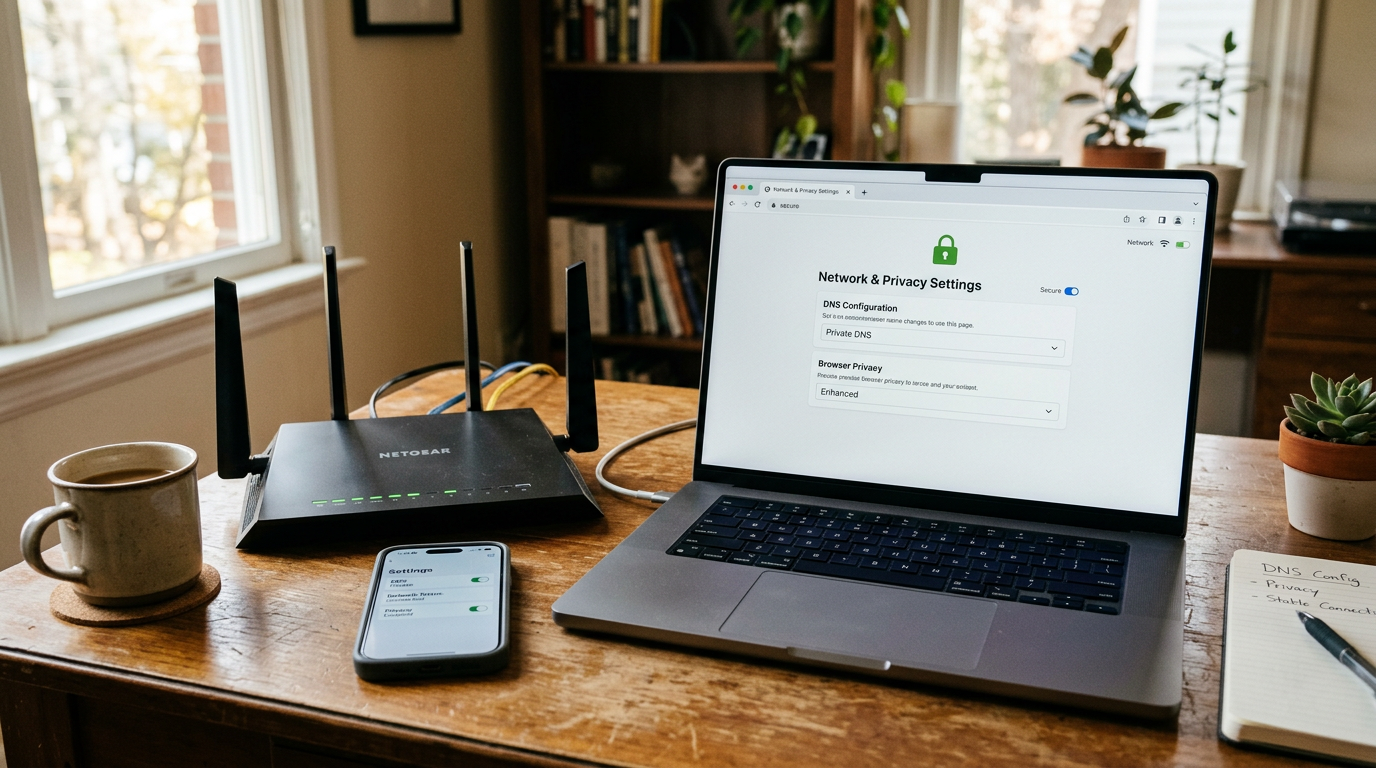
- DNS controls: Are settings understandable for non-technical users?
- Ad blocking: Does the app offer useful reklam reduction without breaking normal browsing?
- Network coverage: Are servers available across ülkelerde you may need?
- Performance on wifi: Does it stay stable on public and home wifi?
- Privacy expectations: Does the app clearly explain what it changes and what it does not?
Questions users kept asking, and the short answers
Does a private browser replace a VPN?
No. A private browser can reduce local traces or change browsing behavior, but it does not automatically protect all device traffic on a network.
Is 1 1 1 1 the same as a VPN?
Not exactly. DNS services and VPNs can overlap in purpose for users, but they operate at different layers and solve different problems.
Why do people compare VPN apps with browser tools?
Because users think in outcomes, not protocols. They want safer browsing, fewer ads, and more private connections, so they compare anything that seems to offer that.
When does an all-in-one app make sense?
When you do not want separate tools for VPN access, DNS switching, and ad blocking, especially on a phone where simplicity matters.
A more honest way to read a milestone
A 50,000-user milestone does not prove that one app has solved privacy. It does suggest that a growing group of users wants fewer moving parts. They do not want to assemble one browser tool, one DNS utility, one ad blocker, and a separate VPN if they can avoid it.
That is the clearest takeaway from early usage: users value fewer decisions. They want a private, understandable, reliable setup that works on a phone in real conditions, not just in technical explanations.
If your main goal is to make everyday browsing on iPhone or Android simpler across public wifi, home wifi, and travel networks, VPN 111: Warp IP DNS Changer is designed around that practical use case. And if you are still sorting out the basics of VPN versus DNS versus browser privacy, this first-time VPN user guide gives broader context without the jargon.
The most credible milestone is not a number on its own. It is the point where recurring user behavior starts teaching something consistent. Here, that lesson is straightforward: people want privacy tools that fit daily mobile habits, explain themselves clearly, and reduce complexity rather than adding to it.