
What 100,000 Users Taught Us About Public Wi-Fi, DNS Fatigue, and App Retention
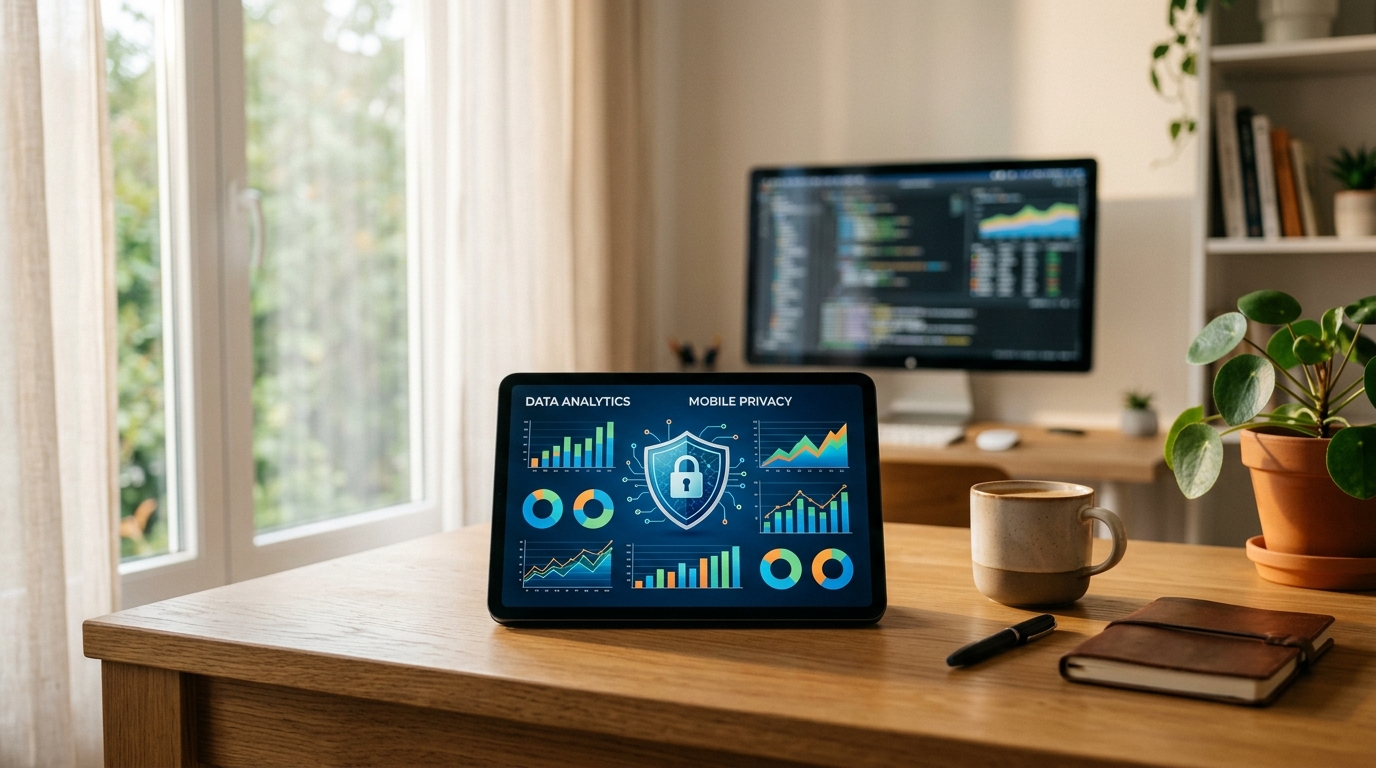
According to Adjust’s newly released "Mobile App Trends 2026" report, global application installs increased by 10% recently, while iOS App Tracking Transparency (ATT) opt-in rates climbed to 38% in the first quarter of the year. Furthermore, consumer spending on mobile grew by 10.6%, reaching a notable $167 billion. In our eight years of analyzing internet security and network protocols, I have found this intersection of high app usage and rising privacy awareness particularly telling. It shows that while mobile users are more active than ever, they are also becoming protective of their digital footprint.
The core problem everyday users face is not a lack of options, but a crisis of fragmentation. When you connect to public wireless internet at a local coffee shop or even your own home wifi, you likely want a secure, private session. To achieve this, a user might download a private browser, manually configure their DNS, and install a standalone virtual private network tool. Managing multiple applications just to read the news without being tracked is exhausting. As we reached a significant user milestone with VPN 111: Warp IP DNS Changer, analyzing the retention and feedback data allowed us to see exactly where traditional privacy tools are failing the modern mobile user.
Why are traditional privacy setups failing everyday users?
The friction begins at the discovery phase. When people realize their connection might be exposed, they often head to the app store and type in broad terms like vpn, free vpn, or even search for a vpn free iphone solution. Occasionally, they type von by accident. What they are met with is a flood of options. Some download a standalone browser like brave, aloha, or opera, mistakenly believing that a secure browser encrypts their entire device's traffic. While these are excellent tools for web-level isolation, they do nothing for the background data your other mobile apps are constantly transmitting.
Others look into heavy-duty options, comparing nord vpn, express vpn, hotspot shield, and pia vpn. These are established names, but they often come with complex interfaces designed for power users. Conversely, the market is crowded with hyper-casual options like potato vpn, super vpn, or x vpn, which sometimes prioritize flashy interfaces over transparent security protocols. The everyday user is caught in the middle. They do not want to become network administrators; they simply want to block intrusive ads, stop ISP tracking, and stream content without their battery draining. When an app requires too much configuration, the 2026 data shows exactly what happens: users delete it.
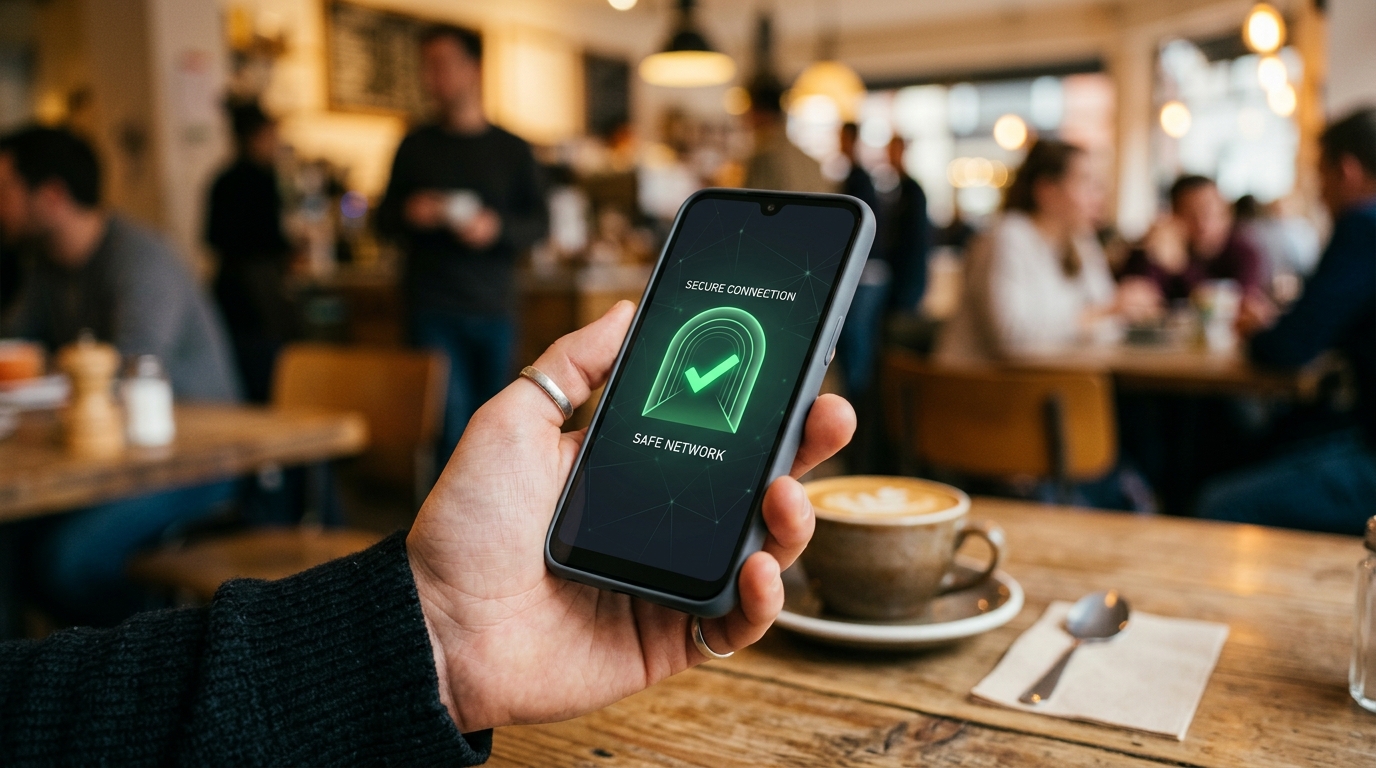
What did active session data reveal about real-world network needs?
As our user base grew, we paid close attention to which features actually drove daily retention. The Adjust 2026 report emphasizes that app growth is no longer just about user acquisition; it relies heavily on integrated architecture and understanding user behavior. Our milestone data aligned with these findings. Users were not logging in simply to mask their IP addresses; they were utilizing the integrated DNS changer and ad-blocking features far more frequently than anticipated.
We found that users are experiencing "DNS fatigue." Many tech-savvy individuals know about fast DNS resolvers like Cloudflare's 1 1 1 1, but manually going into your smartphone's settings to alter DNS strings every time you switch from mobile data to a cafe network is impractical. Users overwhelmingly preferred an application where DNS routing and IP masking happened simultaneously with a single tap. My colleague Barış Ünal recently detailed why this matters, noting that a built-in ad blocker often provides more real-world value than basic speed comparisons because fewer ads directly result in faster load times and less tracking noise.
How should you evaluate your connection security without overcomplicating it?
In the enterprise world, IT teams use complex frameworks like sase (Secure Access Service Edge) to protect remote workers, and monitoring tools like prtg to watch network health. Consumers do not have these luxuries, nor should they need them. However, consumer expectations are scaling up to demand enterprise-grade reliability in a simple package.
If you are trying to clean up your digital routine, start by evaluating the technical foundation. For instance, modern tools utilizing wireguard technology offer significantly better speed-to-security ratios than legacy protocols. You do not need to understand the cryptography behind it, but knowing that your chosen app uses efficient, modern standards is crucial. Next, look at integration. Does your current setup require you to run proton vpn in the background while routing specific gaming traffic through opera gx, all while running a separate ad blocker? If so, you have created a fragile ecosystem that is likely slowing down your device.
The most effective evaluation metric is silent utility. A proper privacy tool should run quietly. If you are constantly notified about disconnected servers, or if you have to turn the service off just to access your local banking app, the tool is failing its primary purpose.

Who actually needs a combined VPN and DNS tool?
Understanding who a product is for is just as important as knowing what it does. Based on our growth data, the integrated approach of VPN 111: Warp IP DNS Changer strongly resonates with a specific demographic:
- Freelancers and Remote Workers: Individuals who constantly jump between home networks, co-working spaces, and airport lounges need continuous protection without reconfiguring settings at every location.
- Students: Campus networks are notoriously strict and heavily monitored. A combined DNS and IP masking tool bypasses superficial content blocks while keeping study sessions private.
- Privacy-Conscious Casual Browsers: People who are tired of looking at a pair of shoes online and then seeing ads for them injected into every app they open for the next week.
Conversely, who is this not for? If you are an enterprise systems administrator looking to deploy site-to-site hardware firewalls for a 5,000-person corporation, a mobile-first app is not your primary tool. But for individual security on the go, a consumer-focused mobile application is exactly what is required.
How can you apply these insights to your daily digital routine?
The trends from 2026 clearly show that users are consolidating their digital habits. They are spending more time on mobile but tolerating less friction. If you want to protect your personal data, simplify your approach. Instead of juggling a secure browser, a standalone ad-blocker, and a basic IP tunnel, look for unified solutions.
VPN 111: Warp IP DNS Changer is designed specifically for this modern use case. It operates as a VPN, DNS changer, and ad blocker in one streamlined application, with servers available across all countries. Whether you are trying to secure your connection on public transit or optimize your routing at home, the goal is to provide comprehensive protection with minimal user intervention. If you are building mobile utilities yourself, remember that we also develop apps under the Verity portfolio, focusing heavily on this principle of unified, accessible utility.
In the end, reaching a massive user milestone is not just about celebrating numbers; it is about listening to the network behaviors those numbers represent. People want their privacy back, and they want it without the headache of a computer science degree. By choosing tools that integrate essential security functions intuitively, you can browse the web safely and quietly.