
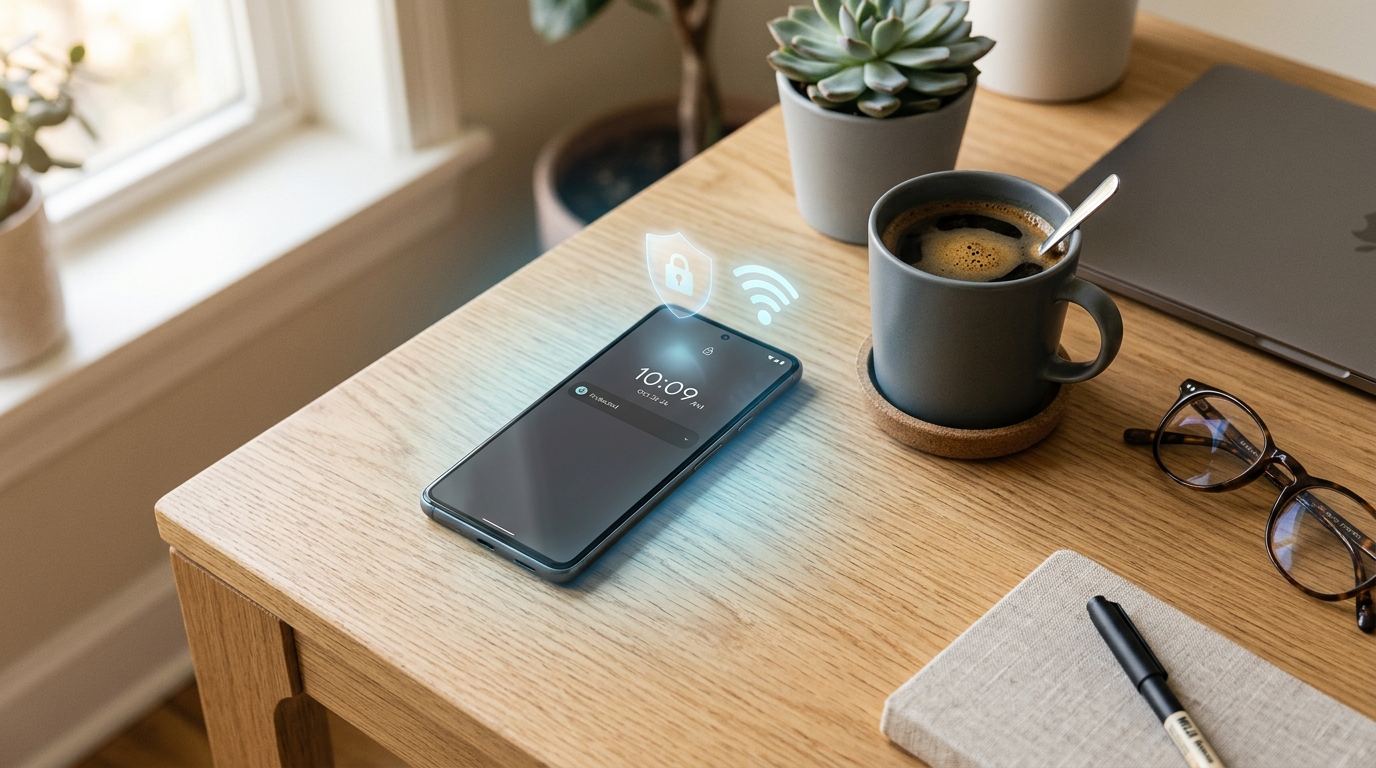
Most people believe that downloading a private browser or hitting connect on a random free VPN makes them invisible online. That is a dangerous illusion. In practice researching digital anonymity, we see users constantly downloading separate tools for different tasks, only to discover their personal data is still being harvested by background applications. To truly secure your mobile traffic in 2026, you must stop relying on isolated applications and instead use a unified virtual private network and DNS changer that protects your entire device from system-level tracking.
Acknowledge the Reality of Background Tracking
We are witnessing a massive shift in multi-platform data measurement. If you think your daily browsing habits are hidden just because you clear your cookies, you need to look at the numbers. According to the recent Adjust "Mobile App Trends 2026" report, global app sessions increased by 7% last year, and consumer spending on mobile platforms surged to $167 billion. Artificial intelligence has moved from a strategic marketing tool into the core infrastructure of how applications measure and track user behavior.
More surprisingly, the Adjust data reveals that App Tracking Transparency (ATT) opt-in rates among iOS users rose to 38% in the first quarter of 2026. Whether by accident or through clever app design, more people are allowing themselves to be tracked. When you switch from your home wifi to public wireless internet, dozens of apps running silently in the background begin pinging external servers. A single secure browser cannot intercept or encrypt this system-wide data leakage.
Stop Confusing a Private Browser with Network Security
It is a common mistake to equate a private web browser with comprehensive device security. Tools like Opera, Brave, Aloha, and Opera GX offer fantastic built-in features for blocking website scripts and keeping your direct search history local. But they suffer from one fundamental flaw: they only encrypt the traffic happening inside their own application window.

If you are looking for a reliable vpn free iphone setup, relying purely on a browser is insufficient. The moment you close the browser, your weather app, social media feeds, and email clients are still communicating over standard protocols. While a private browser handles web-level privacy, a true virtual private network creates an encrypted tunnel for the entire operating system. As my colleague Barış Ünal has explained in his research, you must stop overloading your phone with standalone browsers if your goal is complete device security.
Evaluate Real-World Protocols (Forget the Marketing Hype)
Every day, we see users searching endlessly to compare Nord VPN, Express VPN, Proton VPN, PIA VPN, and Hotspot Shield. Others look for quick, lightweight alternatives, typing terms like "x vpn", "super vpn", "potato vpn", or even accidentally searching for a "von" due to hurried typing. The truth is, comparing these tools based purely on server counts or aggressive marketing campaigns misses the point entirely.
For the average user, complex corporate network tools like PRTG monitoring or enterprise-grade SASE (Secure Access Service Edge) deployments are massive overkill. Conversely, a cheap, standalone app that only masks your IP without managing Domain Name System requests leaves you vulnerable to DNS leaks. What you actually need to evaluate are the underlying protocols. Modern standards like WireGuard offer lightweight, high-speed encryption, while custom routing—like the well-known 1 1 1 1 resolver—ensures your site requests aren't logged by your local internet service provider.
When transitioning between networks, your device needs to adapt without interruption. My colleague Ece Sönmez recently covered the mechanics of this in her guide to adaptive DNS routing, highlighting how vulnerable devices are during handoffs from home networks to public hotspots.
Recognize the Cost of App Overload
There is a severe performance penalty for running a fragmented privacy setup. If you have a separate app for ad blocking, another for your DNS requests, a distinct private browser, and a standalone VPN, you are draining your battery and choking your device's memory. Industry trends indicate that 70% of smartphone users will delete an application after the first use if it negatively impacts device speed or performance.
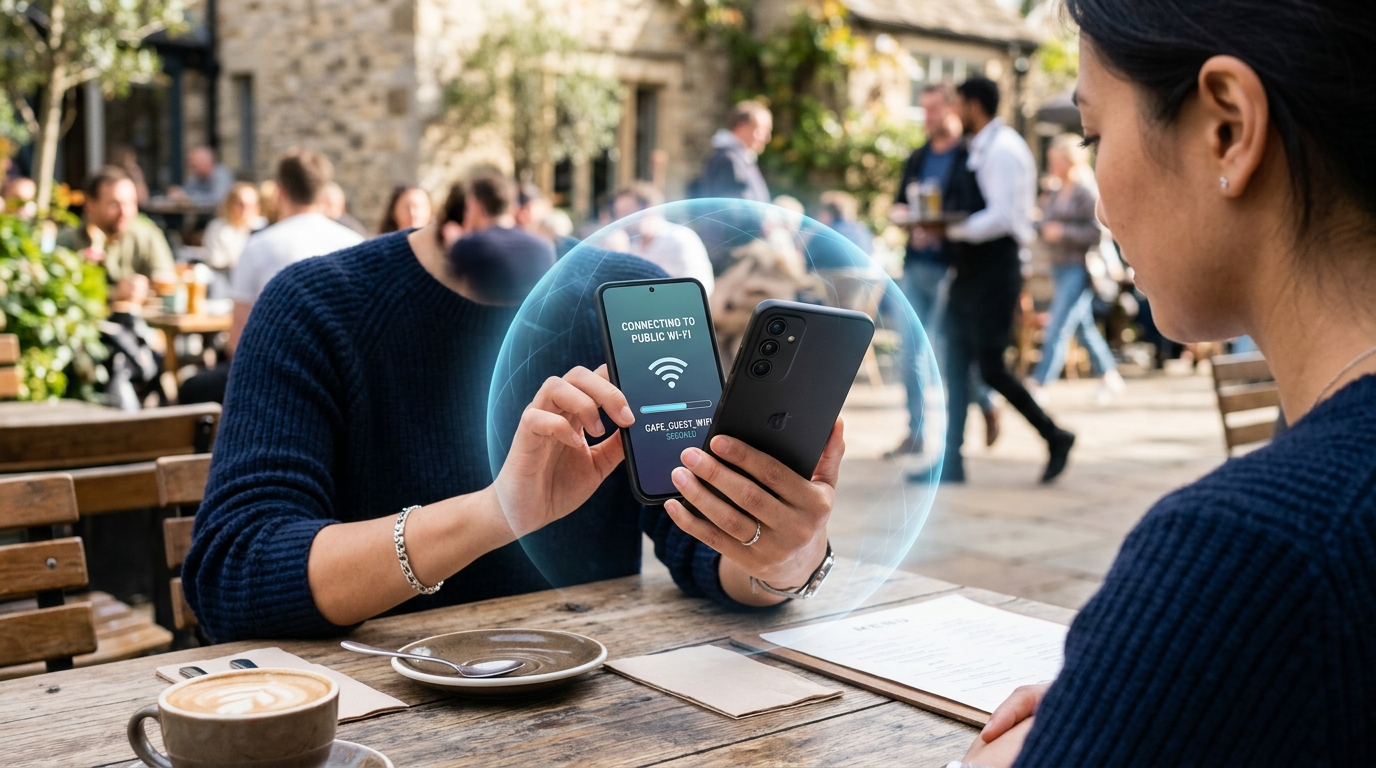
Companies specializing in high-performance utility applications, such as the development team behind Verity, understand this shift intimately. The modern user demands consolidation. You should not have to toggle three different switches just to safely check your bank balance at a coffee shop.
Define Your Practical Use Case
To avoid choosing the wrong tool, you must clearly define your user profile. Are you trying to secure a corporate server, or simply trying to read articles without being bombarded by targeted trackers?
- Who requires unified tools: Freelancers moving between cafes, university students on shared campus networks, and everyday privacy-conscious individuals. These users need integrated solutions that run quietly in the background without requiring manual reconfiguration.
- Who this is NOT for: IT administrators building zero-trust enterprise infrastructures or data compliance officers managing complex SASE frameworks across thousands of employee devices.
If your goal is to reclaim your battery life, eliminate intrusive tracking, and secure your connection globally, combining these features into one application is the most sensible path forward. For instance, VPN 111: Warp IP DNS Changer is a virtual private network, DNS changer, and ad blocker app integrated into a single interface. With servers in all countries, it provides the network-level encryption you need without the battery drain of running multiple separate tools.
Ultimately, true digital anonymity in 2026 requires moving past the illusion that a single browser tab keeps you safe. Evaluate your tools based on network-wide coverage, integrated ad-blocking capabilities, and overall impact on your daily mobile performance.